
Learning to Be Free
How to teach your children about money.
A practical guide to help parents teach their children how to relate to money, make better decisions and build habits that will give them more independence in the future.
✓ Everyday examples
✓ Practical tools
✓ No jargon
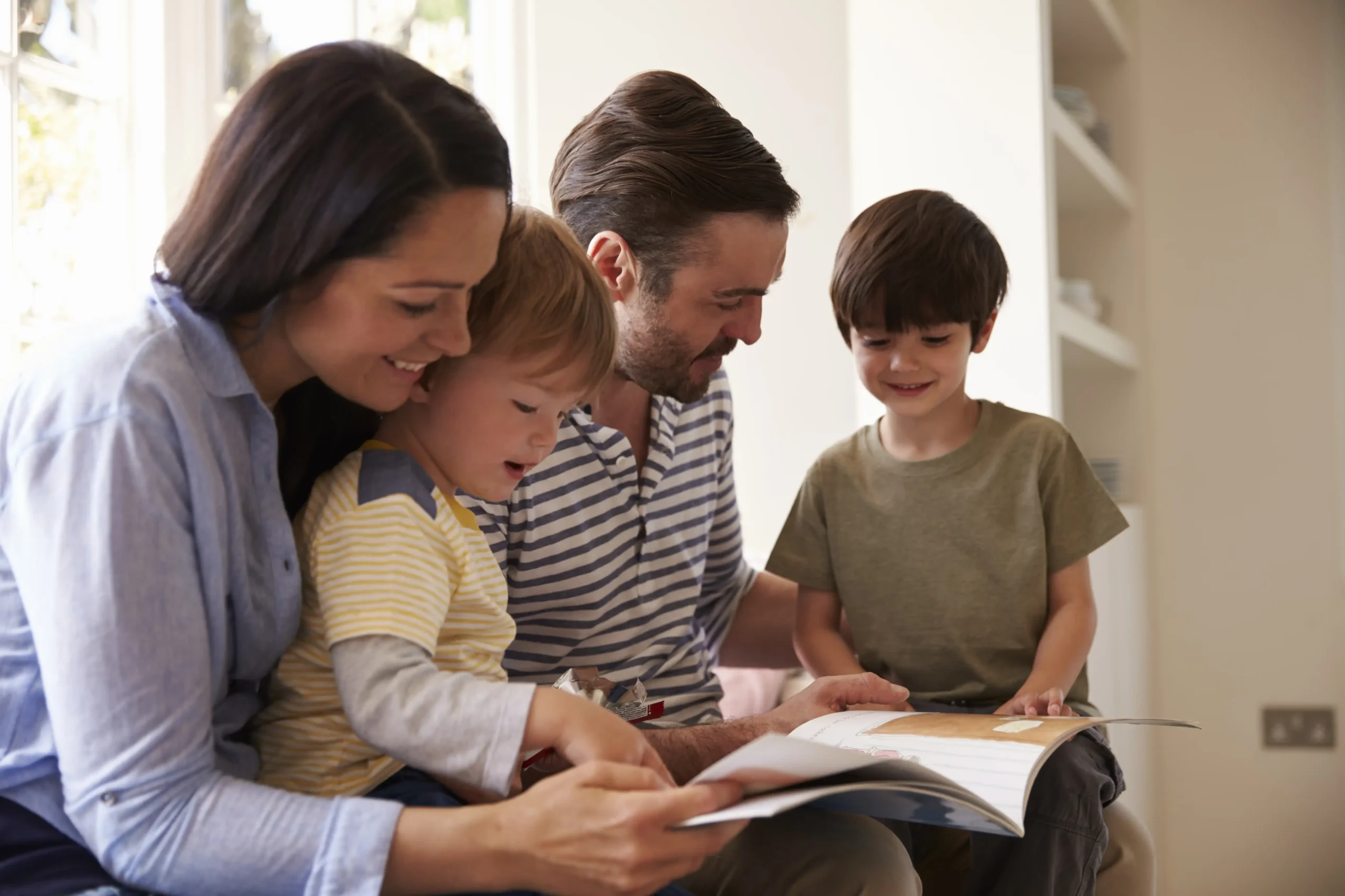
A shared journey
Learning together at home
A lesson for life.
It is not just about money.
It is about teaching them to think.
Our children learn when they watch us shop, when they want something and have to wait,
when they get their first money, when they save and when they spend.
Each of those moments can become an opportunity to teach.
Three simple lessons that can stay with them for life.
Learning to wait
Learning to wait, save and plan helps build self-control and shows that reaching a goal takes time and decisions.
They want to buy something that costs more than they have. Instead of making up the difference, we can help them set a goal and go through the process of saving until they get there.
Learning to choose
Resources are limited. Learning to compare, prioritise and weigh different options helps them develop their own judgement.
Give them a set amount of money on a day out and let them decide how to use it, knowing that when it runs out there is no more.
Learning to take care
Looking after money, belongings and resources helps them understand the effort behind them and develop responsibility.
Before replacing something that broke, try to fix it together and talk about how much it cost, how long it lasted and whether we really need to buy another one.
It is not too late
To shape your children's future
We are not trying to stop them from making mistakes. We want them to learn how to decide.
It is never too early to start
Financial education is also learned at home
Many of us learned to handle money through our own mistakes, when decisions already had serious consequences.
Our children have a different opportunity.
They can start to experiment, choose, save, spend and also get things wrong while the consequences are still small and we are there to support them.
What stage are your children at?
Talking about money with a five-year-old is not the same as talking about it with a seventeen-year-old.
That is why the book offers different lessons and tools for each stage.
Discovering
Understanding that things cost money, starting to make choices and discovering that we cannot always have everything right away.
Use shopping trips and everyday situations to introduce ideas such as price, choice, waiting and care.
Experimenting
Starting with small savings and concrete decisions that let them manage their first resources.
Give them real chances to choose what to do with small amounts of money and talk about their decisions afterwards.
Managing
Learning to budget, set goals, understand spending better and take on new responsibilities.
Suggest a savings goal they choose themselves and help them work out how much they need and how long it will take.
Deciding
Spending, peer pressure, online shopping, digital money and increasingly independent decisions.
Involve them in real decisions and talk about advertising, brands, comparing prices and impulse buying.
Getting ready for independence
Their own income, accounts, cards, saving, investing, debt, work and entrepreneurship.
Gradually give them more control over their own money so they can experiment and learn before adult life begins.
Coming soon
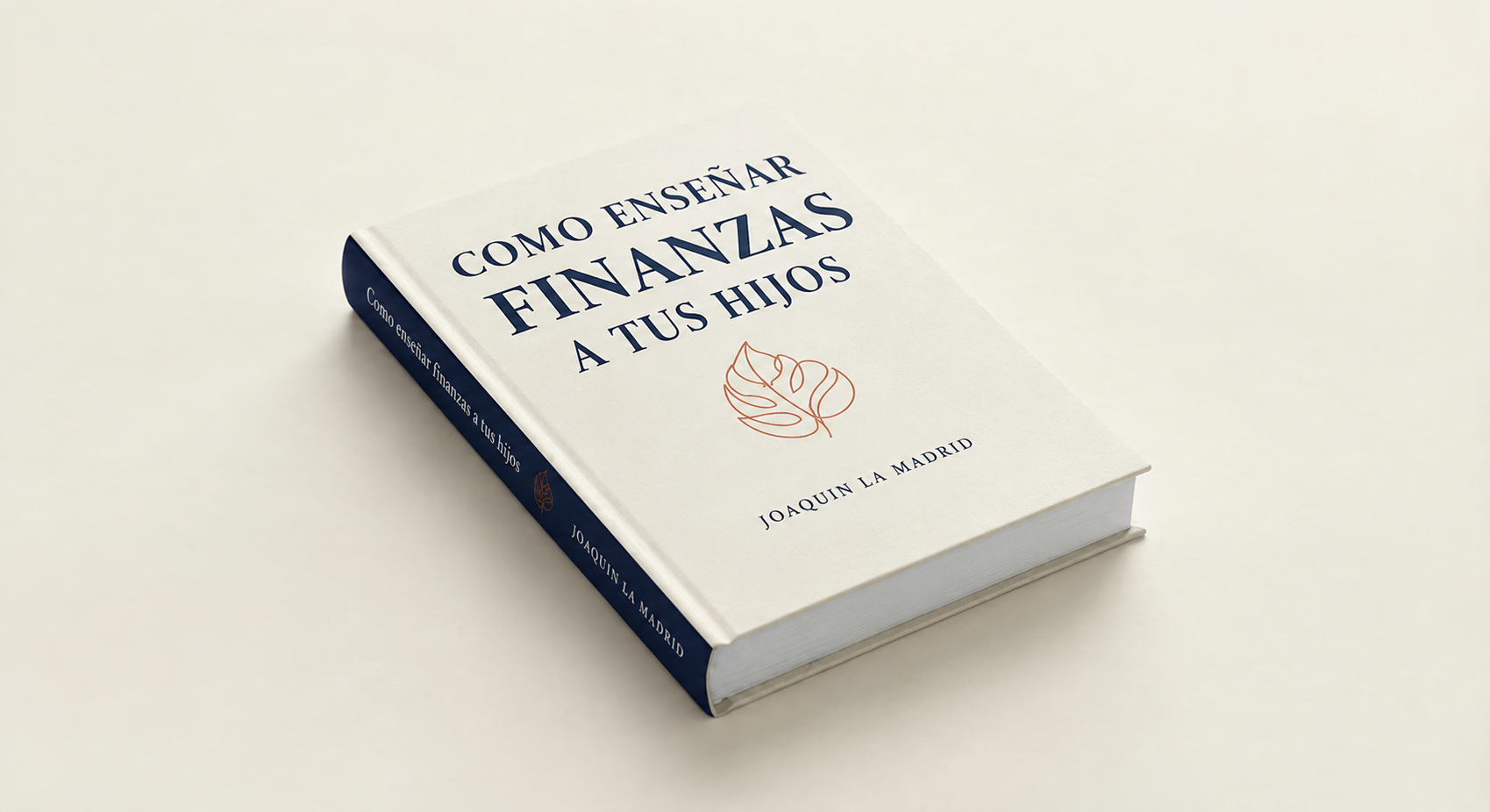
Learning to Be Free:
How to Teach Your Children About Money
A practical guide for parents on one of the lessons that will most shape their children’s future independence: learning how to relate to money.
With everyday examples, experiences, conversations and tools adapted to each age.
What will you find in the book?

Everyday situations
How to use shopping, gifts, pocket money, days out, saving and other family situations to talk about money naturally.
Guides by age
Ideas and tools adapted to each stage, from the first lessons between ages 3 and 6 to the financial decisions that come before adult life.

Practical tools
Ideas for bringing the book’s concepts home without turning financial education into an economics class.

Talking about money
Ideas for discussing saving, spending, debt, investing, work and digital money in language suited to each age.
Much more than learning to save
Learning how to relate to money
Financial education is not only about knowing how much to save or how to make a budget.
It also means learning to decide, accept consequences, control impulses and build independence.
1. Responsibility
Every decision has consequences.
Managing their own money lets them experience those consequences while they are still small, and learn from them.
2. Judgement
Learning to decide for yourself.
Comparing, prioritising and telling wants from needs helps them decide without being driven only by advertising or peer pressure.
3. Habits
Small decisions add up.
Saving, planning, taking care of things and spending mindfully are habits that can start forming from a very young age.
4. Independence
Money is a tool, not a goal.
Understanding it and learning to manage it lets them make decisions more independently and widens the options they have in life.
The goal is not to decide for them.
It is to prepare them so that one day they can decide for themselves.
Is this book for you?
You do not need to know about finance to start talking about money with your children.
Want to get started?
You know financial education matters, but you are not sure when to start, what to teach or how to do it.
The book helps you turn everyday situations into learning opportunities.

Already talking about money at home?
You already try to teach them to save, look after things and value them, but you want new tools and to tackle more complex topics.
The book takes you on a journey from age 3 to 18.
Want to prepare them for the future?
You are not trying to control every decision your children make.
You want them to learn to think, choose, make mistakes, correct them and build a responsible relationship with money.
Because one day they will have to decide without us.
About the author
Joaquín La Madrid
Economist, entrepreneur and, above all, a father.
My relationship with money began long before I studied Economics.
At 16 I started my first business, La Madrid Libros.
That experience showed me at a very young age what it meant
to buy, sell, negotiate, take risks,
make mistakes and manage my own money.
Then came university, other projects, companies, successes
and mistakes (lots of mistakes).
But over the years a different question came up:
How can I pass these lessons on to my children?
This book was born from that question. Not to teach them how to get rich. Nor to decide for them what to do with their money.
But to give them tools to understand it, make their own decisions and build, step by step, a more independent life.
Learning to Be Free
Be among the first to discover the book
Leave us your email and we will let you know when How to Teach Your Children About Money is available.
We will also share content and news about the Learning to Be Free project.
We respect your privacy. No spam.
Frequently Asked Questions
At what age should we start?
Earlier than we usually think. From age 3 or 4, everyday situations already make it possible to introduce simple ideas about choice, waiting, care and value.
What matters is not giving a finance lesson, but adapting conversations and experiences to each age.
Do I need to know about finance?
No. The book is written for parents, not specialists.
It starts from everyday family situations and gradually moves on to topics such as saving, spending, debt, investing, work and entrepreneurship.
Is it only for young children?
No. The book covers five stages: ages 3–6, 7–9, 10–12, 13–15 and 16–18.
The topics grow with them, from learning to wait and choose to managing their own income, using accounts and cards, understanding debt, investing, or starting to work and set up a business.
Is it a book about teaching children to save?
Yes, but not only that. Saving is one part of financial education.
We also talk about spending, habits, peer pressure, debt, investing, work, entrepreneurship, digital money and, above all, learning to make decisions.
When will it be available?
We are working on publishing How to Teach Your Children About Money. Leave your email and we will let you know when we have news about the launch.